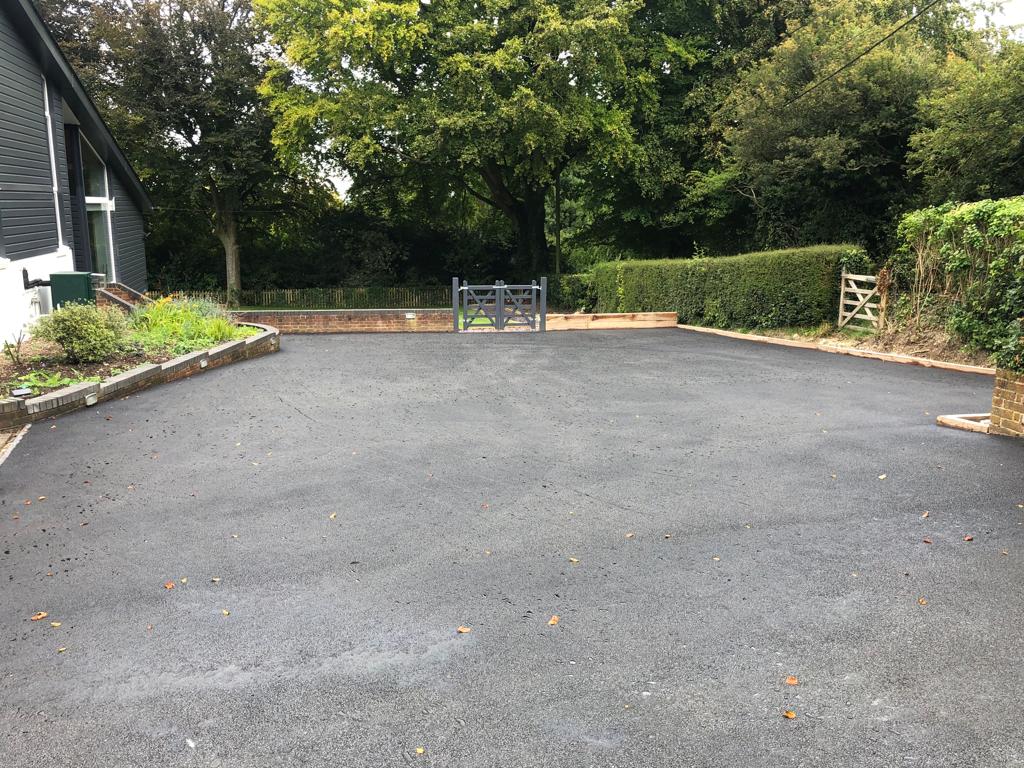
The layout and condition of a property’s outdoor surfaces can have a significant impact on how efficiently the entire site operates. Whether an area is used for commercial vehicles, machinery storage, deliveries or general access, a poorly organised or deteriorating surface can create unnecessary difficulties.
Uneven ground, limited manoeuvring space, inadequate drainage and poorly positioned parking areas can all affect everyday activities. These problems are particularly noticeable on sites where vehicles and equipment need to move frequently between different working areas.
A professionally planned hardstand can provide a practical solution by creating a stable, clearly defined surface that supports the activities taking place across the property.
For property owners and businesses in Tumut, NSW, a well-designed asphalt or bitumen hardstand can improve more than just the condition of the ground. It can make vehicle movements easier, support better site organisation and help create a more functional working environment.
At Tumut Road Tek, we provide professional asphalt and bitumen surfacing solutions designed to improve access, surface reliability and the practical use of outdoor areas.
What Is a Hardstand and Why Is Proper Planning Important?
A hardstand is a prepared and constructed area designed to support vehicles, equipment, storage or other operational activities.
Depending on its intended use, a hardstand may incorporate a compacted pavement foundation with an asphalt or bitumen wearing surface.
Unlike an unsealed yard, which may consist of exposed soil or loose gravel, a properly constructed hardstand provides a more consistent trafficable surface.
However, the effectiveness of a hardstand depends on more than the materials used.
Its location, dimensions, drainage, pavement strength and connection to surrounding access routes all influence how well it functions.
A hardstand that is positioned without considering vehicle movements or daily operations may create new difficulties, even if the finished surface is constructed correctly.
Professional planning helps ensure the area is designed around the needs of the entire site.
1. Creates More Efficient Vehicle Movement Across the Property
One of the main benefits of a well-planned hardstand is the improvement it can provide to vehicle access and circulation.
On poorly organised sites, vehicles may need to make repeated turns, reverse over uneven ground or navigate around equipment and stored materials.
These movements can become increasingly difficult when the surface contains potholes, loose aggregate or wheel ruts.
A properly positioned hardstand can establish a more direct and practical route between entrances, parking areas, storage spaces and operational buildings.
The layout can be planned around the vehicles that regularly use the property, including their turning requirements and the space needed for manoeuvring.
For businesses operating delivery vehicles, trailers or machinery, this can make daily movements more predictable and reduce unnecessary congestion.
2. Makes Better Use of Available Outdoor Space
A large yard does not automatically provide an efficient working environment.
If the surface is uneven or the layout is poorly organised, substantial areas may remain underused because they are difficult to access or unsuitable for regular vehicle movements.
A professionally planned hardstand can help define how different sections of the site should function.
For example, the layout may establish separate areas for:
- Vehicle parking
- Loading and unloading
- Equipment storage
- Machinery access
- Vehicle turning
- Deliveries and collections
- General operational activities
These areas can be positioned to support the natural movement of vehicles and equipment around the property.
By considering the entire site rather than treating the hardstand as an isolated surface, property owners can create a more practical arrangement for everyday operations.
3. Provides a Stable Surface for Machinery and Equipment
Machinery and equipment storage areas need a surface capable of supporting the intended loads.
Unsealed ground can gradually deform beneath repeated vehicle movements or concentrated loading.
Where the supporting materials become unstable, equipment may be positioned on uneven ground, and wheel ruts can develop along frequently used routes.
A properly constructed hardstand provides a more consistent surface supported by appropriately prepared pavement layers.
The pavement design should account for the weight of vehicles and equipment, including areas where loads remain stationary for extended periods.
Heavy machinery and concentrated loads may require additional structural preparation.
Professional assessment helps establish the pavement requirements before construction begins, reducing the likelihood of selecting a surface that is unsuitable for its intended use.
4. Improves Loading and Unloading Areas
Loading and unloading activities are often concentrated in particular sections of a commercial or operational site.
These areas may experience repeated vehicle movements, braking, turning and stationary loading.
When the surface is uneven, routine activities can become less convenient.
Potholes, loose gravel and poorly defined access routes may also interfere with the movement of vehicles and materials.
A well-planned hardstand can provide a consistent area for deliveries and collections.
The layout can be designed to accommodate the expected vehicles while maintaining suitable access to buildings and storage areas.
Surface levels and drainage should also be considered to prevent water from collecting in frequently used loading zones.
The result is a more practical working area that supports regular operations.
5. Helps Manage Rainfall and Surface Drainage
Drainage is one of the most important considerations when planning a hardstand.
Water collecting on a trafficable surface can create ongoing problems, particularly where the underlying pavement becomes saturated.
On unsealed yards, rainfall may soften exposed ground and contribute to deep wheel ruts or muddy sections.
A professionally constructed asphalt or bitumen hardstand can be formed with suitable falls to direct rainfall towards appropriate drainage points.
However, the overall drainage arrangement must be considered before construction.
A new hardstand can change how water moves across the property. If surface levels are not planned carefully, rainfall may be redirected towards buildings, entrances or other working areas.
Professional planning considers the existing ground levels, surrounding surfaces and intended drainage routes.
This helps create a finished pavement that supports effective water management across the site.
6. Reduces Problems Associated With Loose and Uneven Ground
Unsealed yards can become difficult to maintain when they experience frequent traffic.
Loose gravel may be displaced by tyres, while repeated vehicle movements can create potholes and depressions.
During dry conditions, dust may also become a persistent problem around working areas and stored equipment.
A properly constructed asphalt or bitumen hardstand provides a bound wearing surface that reduces the movement of loose material.
This can help maintain a more consistent trafficable area and reduce dust generated directly from the pavement.
It can also reduce the need for repeated grading and reshaping associated with some unsealed surfaces.
Although a hardstand still requires inspection and maintenance, it provides a more defined surface for everyday operations.
7. Supports Better Separation of Different Site Activities
On a busy property, several activities may take place within the same outdoor area.
Vehicles may be entering and leaving while equipment is being moved, deliveries are taking place and materials are being stored.
Without a clear layout, these activities can interfere with one another.
A well-planned hardstand can help establish dedicated areas for different purposes.
For example, parking spaces can be positioned away from frequently used loading areas, while vehicle turning zones can be kept clear of stored materials.
The layout can also provide defined routes between entrances and operational buildings.
This makes the site easier to organise and helps ensure the available space is used more effectively.
8. Accommodates the Vehicles That Actually Use the Site
Not every hardstand requires the same pavement construction.
A surface used mainly by passenger vehicles will experience different loading conditions from one used by trucks, trailers or heavy machinery.
Vehicle weight, tyre loading, turning movements and frequency of use all influence the stresses placed on the pavement.
A professionally planned hardstand considers these factors before construction begins.
This helps determine the appropriate supporting materials, pavement thickness and wearing surface.
Areas exposed to frequent heavy vehicle turning may require particular attention because concentrated tyre stresses can accelerate surface deterioration.
Selecting the correct pavement design is essential for achieving reliable performance.
9. Improves Access Between Buildings and Working Areas
The effectiveness of a hardstand is influenced by how well it connects with the rest of the property.
A hardstand positioned away from the areas it serves may require vehicles to continue travelling over unsuitable ground.
Similarly, poor transitions between existing pavements and new surfaces can create uneven access points.
Professional planning considers the relationship between the hardstand, existing entrances, buildings, storage areas and internal access routes.
Where necessary, surface levels and transitions can be designed to create more consistent connections.
This can improve the movement of vehicles and equipment throughout the site rather than simply upgrading one isolated area.
10. Creates a More Organised and Professional Site Appearance
A property containing loose gravel, deep wheel ruts and uneven storage areas can appear poorly maintained, even when the buildings and equipment are in good condition.
A professionally surfaced hardstand provides a more consistent and clearly defined working area.
This can improve the presentation of commercial premises, workshops, storage yards and other operational properties.
A well-organised layout also makes it easier to distinguish between parking, access and storage areas.
Although appearance is a useful benefit, the main objective should remain the creation of a practical surface suited to the property’s operational requirements.
Choosing Between Asphalt and Spray & Seal Bitumen for a Hardstand
Asphalt and spray & seal bitumen can both be suitable for certain hardstand applications, but their performance characteristics differ.
The most appropriate treatment depends on the intended use, pavement structure and expected traffic.
Asphalt Hardstands
Asphalt is a compacted mixture of aggregate and bituminous binder that forms a continuous wearing surface.
It can be suitable for hardstands requiring a consistent finish and regular vehicle movements.
The pavement can be designed to accommodate different traffic loads, although heavy machinery and concentrated loading may require additional structural consideration.
Spray & Seal Bitumen Hardstands
Spray & seal involves applying a bituminous binder and aggregate over a suitably prepared pavement.
It can provide a practical sealed surface for appropriate access, parking and general trafficable applications.
However, areas experiencing frequent heavy vehicle turning, concentrated loads or demanding operational movements may require a different pavement or wearing surface specification.
Professional assessment helps determine whether asphalt, spray & seal or another suitable pavement treatment is appropriate.
Why the Foundation Matters More Than the Finished Appearance
A hardstand may look smooth and consistent immediately after installation, but its long-term performance depends heavily on the supporting pavement.
If the ground beneath the wearing surface is unstable, the hardstand may develop settlement, rutting or cracking.
Before construction, the existing ground should be assessed for weak areas, unsuitable materials, drainage problems and evidence of previous movement.
Preparation may involve excavation, grading, installation of suitable pavement materials and compaction.
The required pavement structure depends on the expected loading and existing ground conditions.
Correct preparation helps distribute vehicle loads and provides the support needed for the finished surface.
What Should Be Considered Before Constructing a Hardstand?
Planning a hardstand involves several important decisions.
Intended Use
The first consideration is how the area will be used.
A parking area, machinery storage yard and loading zone may have different pavement requirements.
Vehicle Movements
The layout should accommodate the vehicles using the property, including turning, reversing and access requirements.
Ground Conditions
The existing ground must be assessed to determine whether additional preparation or strengthening is required.
Drainage
Surface levels should be designed to manage rainfall without creating new water pooling problems elsewhere on the property.
Connections to Existing Surfaces
The new hardstand should integrate effectively with existing driveways, entrances and operational areas.
Future Site Requirements
Where practical, planning should consider whether the site’s use may change or whether additional vehicle access could be required.
Taking these factors into account helps create a hardstand that supports the overall operation of the property.
Can an Existing Yard Be Converted Into a Hardstand?
Many existing gravel or unsealed yards can be considered for hardstand construction.
However, the suitability of the site depends on the condition of the ground and the intended use of the finished area.
If the yard contains deep ruts, soft sections or inadequate drainage, these problems must be addressed before surfacing begins.
The preparation process may involve removing unsuitable material, reshaping the ground and installing appropriately compacted pavement layers.
Once the supporting structure is suitable, the selected asphalt or bitumen wearing surface can be installed.
The objective is to construct a stable pavement rather than simply cover the existing ground.
Can an Existing Hardstand Be Resurfaced?
An existing hardstand may be suitable for resurfacing if the supporting pavement remains structurally sound.
Where deterioration is mainly confined to the wearing surface, professional repairs and resurfacing may restore a more consistent trafficable area.
However, deep rutting, widespread cracking or recurring settlement can indicate problems beneath the surface.
These defects may require additional rehabilitation or reconstruction before a new wearing layer is installed.
A professional assessment helps determine whether resurfacing is appropriate or whether more substantial pavement work is necessary.
Why Professional Hardstand Planning and Construction Matters
A successful hardstand project requires more than selecting a surface material.
The layout must support vehicle movements, the pavement must accommodate the intended loads and drainage must be considered as part of the overall site design.
At Tumut Road Tek, we provide professional asphalt and bitumen surfacing solutions for hardstands, access areas and other trafficable surfaces in Tumut, NSW.
Our focus is on assessing the existing conditions and determining the preparation and surfacing approach required for the intended application.
By considering how the entire site operates, a professionally planned hardstand can provide improvements that extend beyond the finished pavement itself.
Conclusion
A well-planned hardstand can significantly improve the functionality of an entire property by creating more reliable vehicle access, better organised working areas and a stable surface for everyday operations.
It can support loading and unloading, improve machinery access, reduce problems associated with loose ground and help manage surface drainage.
However, these benefits depend on careful planning, appropriate pavement preparation and selecting a wearing surface suited to the expected traffic and loading conditions.
For property owners and businesses in Tumut, NSW, professional hardstand construction can provide a practical solution where existing outdoor areas are becoming difficult to maintain or no longer support daily operations effectively.
If you are considering a new hardstand or improving an existing yard, contact Tumut Road Tek to discuss your requirements.
Our team can assess the site and recommend a suitable asphalt or bitumen surfacing solution designed to improve accessibility, support efficient site operations and provide reliable long-term pavement performance.
Call us on: 02 5926 2530
Click here to find out more about Tumut Road Tek
Click here to complete our contact form and see how we can help with your Asphalt and Bitumen Surfacing needs.